
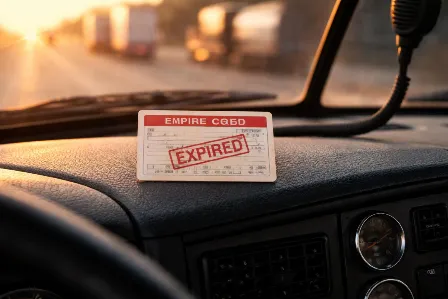
Why an Expired DOT Medical Card Can Get Expensive Fast
For a lot of CDL drivers, the DOT medical card feels like one more piece of paperwork. Easy to push to next week. Easy to forget when the truck is moving, the bills are due, and dispatch keeps calling.
That small delay can turn into a big problem.
A lapse in medical certification can lead to violations, lost driving time, canceled loads, employer headaches, and money out of your pocket. People often call these “CSA points,” even though the system is more complicated than a simple point total. The basic idea is still true: safety violations follow you and your company, and they can cost real money.
This is why being fit to drive matters, and why scheduling DOT physical exams early is one of the simplest ways to avoid a preventable mess.
What people mean when they say “CSA points”
When drivers talk about CSA points, they usually mean violations that show up in the Federal Motor Carrier Safety Administration’s safety monitoring system. Those violations can come from roadside inspections, crashes, and other compliance issues. They do not just disappear because the load got delivered.
The effect goes beyond a line on paper.
A violation tied to medical certification can create trouble in several directions at once:
the driver may be placed out of service
the carrier may take a safety hit
insurance concerns can grow
dispatch may lose confidence in that driver’s availability
the employer may have to reshuffle routes at the last minute
That is why “points” feel expensive. Even when the direct fine is not the biggest cost, downtime usually is.
One missed day can mean lost wages for the driver and missed revenue for the company. One bad inspection can trigger more scrutiny later. One expired card can snowball into scheduling problems, compliance reviews, and awkward conversations nobody wanted to have.
The DOT physical is not just a formality
Some drivers treat the physical like a hoop to jump through. I get why. The exam can feel routine when you have been driving for years without trouble.
But the purpose is straightforward: to confirm that a driver is medically fit to operate a commercial motor vehicle safely.
That matters because driving a CMV is demanding. Long hours, irregular sleep, stress, dehydration, sitting for extended periods, and the constant need to stay alert can expose health problems fast. A condition that feels manageable at home can become dangerous in traffic.
A DOT physical exam generally looks at whether the driver can safely perform the job. That often includes:
blood pressure and pulse
vision
hearing
urinalysis as part of the medical exam
review of medications
medical history, including heart conditions, seizure history, diabetes, respiratory issues, and sleep-related concerns
Sometimes the outcome is a full certification period. Sometimes it is a shorter card so the driver can be monitored more closely. Neither result is a punishment. It is risk management, plain and simple.
A shorter card often gives a driver time to show improved blood pressure control, provide specialist documentation, or demonstrate stable treatment for an ongoing condition. That is far better than waiting until the last minute and discovering there is missing paperwork or an issue that needs follow-up.
Why “fit to drive” is bigger than passing one appointment
Being fit to drive is not just about checking boxes on exam day. It is about whether your health supports safe decisions behind the wheel.
Some issues are obvious. Blurry vision is a problem. So is uncontrolled high blood pressure. Others are easier to downplay. Daytime fatigue. Loud snoring and poor sleep. Dizziness that “only happens once in a while.” Side effects from medication. Those are the kinds of things people try to work around, until they can’t.
That is part of why medical certification matters so much. It creates a regular checkpoint.
A solid safety program usually does not stop with DOT physical exams either. Employers often pair medical certification with other compliance steps such as pre-employment testing, DOT regulated testing, urine drug testing, oral fluid testing, breath alcohol testing, and follow-up requirements when they apply. Those tools are separate, but they all exist for the same reason: a commercial driver has to be able to operate safely and consistently.
For companies, that can also connect to broader efforts like a drug free workplace policy, DFWP participation, corporate wellness support, and careful recordkeeping. None of that is glamorous. It is just the work of keeping drivers qualified and the public safer.
What actually happens when a medical card expires
This is where a lot of drivers get caught off guard.
If your medical examiner’s certificate expires, you may no longer be medically certified to operate a CMV that requires one. That can affect your CDL status, your dispatch eligibility, and your ability to keep working. The exact state process can vary, but the practical result is the same: expired means trouble.
Here is what that can look like in real life.
You get stopped for a roadside inspection. The officer checks your documents. Your medical card is expired. Now what should have been a routine stop turns into a violation. You may be placed out of service. The load sits. The customer waits. Dispatch scrambles. You lose the day, maybe more.
Or maybe nobody stops you right away, but your employer’s compliance review catches the expiration. Now you are pulled from duty until the issue is fixed. Again, lost time. Lost pay. Unnecessary stress.
For employers, it gets messy fast. A driver suddenly becomes unavailable. Routes must be reassigned. Overtime may follow. Customers want answers. Safety records need explanation. If the company already has enough compliance pressure, one avoidable lapse can feel especially costly.
This is also why expired cards matter to people outside trucking operations. Attorneys, courts, probation and parole testing programs, and drug court programs sometimes deal with clients whose employment depends on keeping a CDL active. A preventable certification lapse can affect work history, income, scheduling, and compliance with other obligations. It is not just a fleet problem.
The real costs drivers feel first
Most drivers do not panic over abstract safety metrics. They panic when the missed appointment starts costing money.
That cost can show up in a few familiar ways.
First, there is lost work. If you are out of service, you are not earning. If you are an owner-operator, the truck payment and other expenses do not pause because your card expired.
Second, there are admin costs and rush fees. Last-minute appointments are harder to get. If you need extra documentation from your primary care doctor, cardiologist, sleep specialist, or another provider, that can add more time and more expense.
Third, there is the reputation hit. Drivers who repeatedly let credentials lapse can look unreliable, even if they are otherwise solid behind the wheel. That is frustrating, but it is real. In trucking, availability matters.
Then there is the company side. A preventable compliance issue can affect hiring, planning, and risk management. Companies already juggle driver qualification files, MVR checks, training, accident follow-up, and in some cases consortium management or TPA services for testing programs. A simple expiration date should not be the thing that creates chaos, but sometimes it is.
Why waiting until the last week is a bad bet
People wait because they assume the exam will be quick and clean.
Sometimes it is. Sometimes it is not.
Maybe your blood pressure is borderline that day because you rushed in, skipped water, and lived on coffee. Maybe the examiner wants more information about a medication. Maybe you forgot your glasses. Maybe there is a sleep apnea question that needs follow-up. Maybe your specialist’s office takes a week to return forms because, honestly, many offices move slowly.
That is why the safest move is to schedule early.
A good rule is to start thinking about your next DOT physical 60 to 90 days before your card expires. If you know you have a condition that may need monitoring, even earlier is smarter. This gives you time to:
get lab work or specialist notes if needed
improve blood pressure control
sort out medication documentation
fix simple issues like missing glasses or hearing aids
reschedule if life gets in the way
Early scheduling does not mean you are expecting bad news. It means you are leaving yourself room to handle normal life without risking your livelihood.
A simple approach drivers can actually use
Complicated advice usually gets ignored. So keep it simple.
1. Check your expiration date now
Not next month. Not after this route. Look at the actual date on your medical examiner’s certificate and put it in your phone.
2. Set more than one reminder
Set a reminder 90 days out, 60 days out, and 30 days out. One reminder is easy to swipe away and forget.
3. Gather your medical information before the exam
Bring your medication list. If you have a treated condition, bring supporting documents if your examiner may need them. This is especially helpful for blood pressure treatment, diabetes management, sleep-related treatment, and cardiac follow-up.
4. Do not assume a short card will become a long one automatically
If you received a shorter certification period last time, there was a reason. Treat that as a sign to prepare better, not as an annoyance to ignore.
5. Tell your employer if there may be a delay
Silence creates bigger problems than honesty. If you are waiting on a specialist note, say so early.
6. Keep copies of everything
That includes your certificate, any forms submitted, and any state filing confirmations if they apply where you live.
What employers can do to prevent this problem
Drivers carry the card, but employers feel the damage too. The good news is that expired medical cards are one of the more preventable compliance issues.
A few habits make a big difference.
Track expiration dates in one reliable system. Spreadsheets work if someone actually maintains them. Many companies need something more dependable than a sticky note on a monitor.
Start reminders early. Thirty days is often too late, especially if a driver may need follow-up care or travels constantly.
Build medical certification into the same compliance rhythm as pre-employment testing, random program administration, return-to-duty requirements, and driver qualification file reviews. If a company already manages DOT regulated testing, chain of custody paperwork, and other safety documents, medical card tracking should sit right there with them, not off to the side.
This matters even more for companies with mobile testing operations, remote workforce testing needs, or drivers who spend little time at the terminal. The more scattered the workforce, the easier it is for a deadline to slip.
For some employers, the solution is better internal process. For others, outside administrative help makes sense, especially when the company is already coordinating drug testing, breath alcohol testing, and documentation standards tied to court-admissible results or SAMHSA-certified labs for separate testing programs. Different services, same lesson: compliance fails when nobody owns the calendar.
A note for drivers who are worried about the exam
A lot of drivers avoid scheduling because they are afraid something will come up.
That fear is understandable. Nobody wants to hear that blood pressure is too high or that more documentation is needed. But avoiding the exam does not make the issue smaller. It just removes your time to deal with it.
If you think a health issue may affect certification, the best move is to address it early. See your regular doctor. Ask questions. Get treatment in place. Bring records. Show stability. Medical examiners are not looking for perfect people. They are looking for drivers who can operate safely.
That is an important distinction.
The bottom line
An expired DOT medical card is one of those problems that looks minor until it blows up your week.
The cost is rarely just the exam itself. It is the lost run, the missed paycheck, the inspection violation, the out-of-service time, the paperwork scramble, and the stress that follows all of it. That is why drivers and employers talk about CSA points with so much frustration. They know the money disappears long before the headache does.
Being fit to drive is not red tape. It is part of the job.
So if your card is coming up for renewal, do not wait for the final week. Put the date on the calendar, schedule your DOT physical exams early, and give yourself enough room to fix small issues before they become expensive ones.