Drug Testing: What Canton and North Metro Atlanta Employers Need to Know
Drug testing is one of those workplace topics that people rarely love talking about, but many employers still need to get right. In Canton and across North Metro Atlanta, the stakes are pretty practical. Safety matters. Hiring mistakes are expensive. A weak process can create legal trouble fast.
The hard part is that “drug testing” sounds simple until you have to run a program. Then the questions start piling up. Are you subject to DOT regulated testing rules? Which test method fits the job? What makes results court-admissible? How do you handle a driver in the field, a remote employee, or a post-accident situation at the end of the workday?
This guide breaks down the basics in plain language so employers can make better decisions and avoid common mistakes.
Start with the first question: DOT or non-DOT?
Before choosing a test panel, a collection site, or a policy, figure out whether your program falls under federal Department of Transportation rules.
DOT regulated testing applies to safety-sensitive workers in covered transportation roles. That can include CDL drivers and certain employees in trucking, transit, aviation, rail, pipeline, and related sectors. If a position is covered, the rules are not flexible. The employer must follow DOT procedures under 49 CFR Part 40 and the applicable agency rules. That affects who gets tested, when testing happens, how collections are done, which forms are used, and how results are reviewed.
Non-DOT testing is everything outside that federal framework. Employers still need a clear policy and consistent procedures, but they have more room to design a program that fits their business.
This distinction matters because a DOT program and a non-DOT program are not interchangeable. A company cannot decide to “mostly” follow DOT rules for convenience. If a position is DOT-covered, the employer has to do it the DOT way. If it is not, the employer should avoid mixing DOT terms and procedures into a non-DOT policy unless those procedures are actually being followed.
That sounds technical, and it is. But the idea is simple: classify the job correctly first. Everything gets easier after that.
Why employers still use drug testing
Some people hear “drug free workplace” and think only of discipline. That is too narrow. A well-run program is mostly about risk control.
For employers, drug testing can help with:
Safer hiring decisions
Reduced accident exposure
Compliance with federal or state requirements
Better documentation for legal and HR matters
Support for return-to-duty and follow-up monitoring when that applies
It can also help employers show consistency. That part is easy to overlook. When a company has a written process and follows it the same way each time, it is in a better position if a hiring decision, termination, workers’ compensation claim, or negligence issue gets challenged later.
Testing is not magic, though. It does not replace supervisor training, clear expectations, incident reporting, or sound management. If the workplace culture is loose and policies are vague, testing alone will not fix that.
Common testing reasons employers should understand
A lot of confusion comes from lumping every test into one bucket. The reason for the test changes the process and the timing.
Pre-employment testing
Pre-employment testing is usually the starting point for non-DOT employers. It is used after a conditional offer and before the applicant begins work, assuming the employer’s policy says so.
Consistency is the key issue here. If the policy requires pre-employment testing for a job category, it should be applied the same way to all candidates in that category. Selective testing can create problems quickly.
For DOT-covered positions, pre-employment testing has specific federal requirements. Employers should make sure the result is received and handled through the proper review channels before the employee performs safety-sensitive work.
Random testing
Random testing is common in DOT programs and is sometimes used in non-DOT settings too, especially in safety-sensitive environments.
Random does not mean informal. It means the selection process is scientifically valid and genuinely unpredictable. Managers should not be hand-picking who gets tested because of rumor, personality conflict, or convenience.
If a company wants random testing, it needs a defensible selection method and a policy that explains who is in the testing pool.
Reasonable suspicion testing
Reasonable suspicion testing depends on trained observation. A supervisor notices specific signs such as behavior changes, slurred speech, odor, unsteady movement, or other documented indicators that fit the employer’s policy and applicable law.
This is one area where sloppy documentation causes damage. “He seemed off” is weak. Specific, observable facts are much better.
Employers that use reasonable suspicion testing should train supervisors on what to look for, how to document it, and what steps to take next. Without training, managers often hesitate too long or react too quickly.
Post-accident testing
Post-accident testing is another category where timing matters. For DOT regulated testing, the rules are very specific about when testing is required and what the employer must document if testing cannot happen within the prescribed windows.
For non-DOT employers, the policy should define when post-accident testing applies. That usually means tying the decision to objective factors such as injuries requiring treatment, property damage, a vehicle tow, a near miss with high risk, or evidence that employee action may have contributed to the event.
A vague “test after any incident” rule sounds tough, but it often creates confusion in real life.
Return-to-duty and follow-up testing
These tests usually appear in DOT programs or structured employer policies after a rule violation, failed test, or rehabilitation process. They are not general screening tools. They are part of a monitored return to work process and should be handled carefully.
Choosing the right test method
A lot of employers focus on price first. I get why. But the cheaper test is not always the better test if it does not fit the situation.
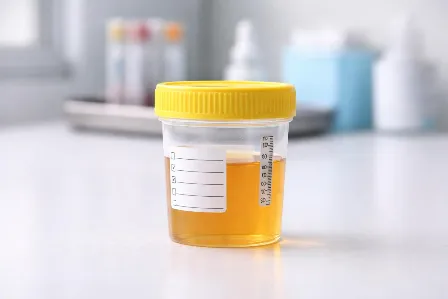
Urine drug testing
Urine drug testing is still one of the most common methods for workplace testing. It is widely accepted, familiar to employers, and often used for both DOT regulated testing and non-DOT programs.
It is generally useful for detecting recent drug use within a defined window, though the detection period varies by substance, frequency of use, and the person tested. For many employers, urine testing is the default because the procedures are established and the reporting process is straightforward.
When people say they want a standard workplace drug test, they usually mean urine.
Hair follicle testing
Hair follicle testing is often chosen when employers want a longer look-back period. It is popular in hiring situations where the employer wants more than a very recent-use snapshot.
It is not the right answer for every scenario. Hair testing is less useful when the concern is very recent use because it takes time for drug markers to appear in the hair sample. It can be useful in pre-employment testing, some legal matters, and certain risk-sensitive hiring decisions.
If an employer is considering hair testing, it should understand what the test can and cannot tell them. Longer history is useful. Immediate impairment is a different question.
Oral fluid testing
Oral fluid testing has become more common because collections can be observed more directly and arranged more easily in some settings. It can be helpful for post-accident, reasonable suspicion, and remote workforce testing where timing matters and collection logistics are complicated.
For employers with field teams, oral fluid testing can be practical. For DOT regulated testing, employers must make sure the process matches current federal requirements, including approved methods and laboratory procedures.
Breath alcohol testing
Breath alcohol testing is separate from drug testing, and that distinction matters. Employers sometimes say “drug test” when they really mean “screen for anything.” Alcohol testing uses different methods and has its own rules, especially in DOT programs.
If alcohol use is part of the concern, use the right test. Do not assume a standard drug panel will answer that question.
Chain of custody is where a lot of cases rise or fall
If results may be used for employment decisions, legal disputes, probation and parole testing, child custody testing, or drug court programs, chain of custody is a big deal.
Chain of custody is the documented handling of the specimen from collection through transport, testing, reporting, and storage. It helps show that the sample came from the right person, was sealed correctly, was not tampered with, and was tested under controlled conditions.
Without strong chain of custody, even a valid lab result can become hard to defend.
This is especially important when employers want court-admissible results. No lab or collector can promise what a judge will admit in every case, but employers can choose procedures that are built for legal scrutiny. That means:
Proper identity verification
Trained collectors
Complete custody documentation
Secure specimen handling
Review by qualified professionals when required
Testing through reputable labs, often including SAMHSA-certified labs when the program calls for that level of rigor
For routine workplace screening, employers sometimes focus only on speed. Speed matters. But if the result may end up in court, documentation matters just as much.
Mobile testing and remote workforce testing are no longer edge cases
North Metro Atlanta employers are often dealing with teams that do not sit in one office. Drivers are on the road. Construction crews move job sites. Sales staff work across counties. Home health workers and field technicians start the day from their vehicles, not a central branch.
That changes how testing needs to work.
Mobile testing can make sense when an employer needs collections at a job site, terminal, warehouse, or other field location. Remote workforce testing can help when employees live far from a main office or travel regularly.
The catch is that convenience should not weaken the process. Off-site and mobile collections still need proper identification, privacy controls, chain of custody, and clear reporting. If the collection is for a DOT regulated testing event, every required DOT step still applies.
In practice, employers should ask a few direct questions before using mobile testing:
Who is collecting the specimen?
How is identity verified?
What documentation follows the sample?
What happens if the employee refuses or the collection cannot be completed?
How quickly will results and non-negative reviews be reported?
If the answers are fuzzy, keep looking.
For North Georgia employers, policy matters more than most people think
I have seen employers spend a lot of time choosing a test and almost no time reviewing the policy behind it. That is backwards.
A written drug free workplace policy should explain:
Which employees or applicants are covered
Which types of testing apply
When testing occurs
What substances are included
What counts as a refusal
What happens after a non-negative or positive result
Whether there is a retest or split specimen process where applicable
How confidentiality is handled
Who pays for testing
How return-to-duty or follow-up steps work if the policy allows them
If your company is working toward or participating in a Georgia drug free workplace framework such as DFWP requirements, policy wording and procedure consistency matter even more.
This is one of those areas where legal review is worth it. A short policy that is clear and enforceable is better than a six-page document copied from the internet.
When TPA services and consortium management help
Some employers can handle testing administration in-house. Many should not.
Third-party administrator support, often called TPA services, can help employers manage scheduling, random selections, records, MRO coordination, compliance tracking, and collection site networks. For smaller employers or owner-operators, consortium management is often used to meet DOT random testing pool requirements.
This is especially useful for companies that do not have a dedicated compliance person. A missed random test, a wrong form, or a badly documented post-accident decision can create headaches that last much longer than the test itself.
If an employer uses a TPA, it still owns the policy and the employment decisions. Outsourcing administration does not outsource responsibility. That is worth remembering.
A few mistakes employers make over and over
Some problems are so common they are almost predictable.
One is choosing a test method before defining the purpose. If the goal is pre-employment testing for a safety-sensitive role, the answer may be different than for a same-day reasonable suspicion issue.
Another is treating all results the same. A negative hiring screen, a non-negative that needs medical review, a refusal to test, and a confirmed positive do not belong in one generic response bucket.
Another is poor supervisor training. Reasonable suspicion and post-accident decisions often fail because the manager on scene did not know what to document or who to call.
Then there is speed without process. Employers want same-day collection and fast reporting, which is understandable. But fast should still mean documented, reviewed, and legally defensible.
And finally, some employers forget that testing is part of a bigger workplace health picture. Corporate wellness, safety training, return-to-work planning, and DOT physical exams for covered drivers all connect. When those pieces operate in isolation, the program gets harder to manage.
What a solid program looks like
A solid program is not fancy. It is consistent.
The employer knows which jobs are DOT-covered and which are not. The policy is written clearly. Supervisors know when to act and what to document. Collections follow proper chain of custody. Labs and review processes match the level of legal and compliance risk involved. Employees are treated the same way under the policy. Records are organized.
That is what dependable looks like.
For employers in Canton GA and the surrounding North Metro Atlanta area, the practical questions are usually the right ones to ask:
Will this process hold up if challenged?
Can we use it for hiring, accidents, and ongoing compliance?
Will it work for field staff and drivers, not just office employees?
Are we using the right test for the actual risk?
If the answer to those questions is yes, the program is probably on solid ground.
The bottom line
Drug testing can feel like a simple checkbox until something goes wrong. A disputed result, a missed DOT step, a weak chain of custody record, or a vague policy can turn a routine screen into an expensive problem.
Employers do not need a perfect system. They need a clear one.
Know whether you are dealing with DOT regulated testing or a non-DOT program. Match the test method to the situation. Use sound chain of custody procedures when results may face legal scrutiny. Build a policy that people can actually follow. And if your workforce is mobile, design the process for real working conditions, not an imaginary office-based setup.
That is how drug testing becomes useful instead of messy.